

Abstract
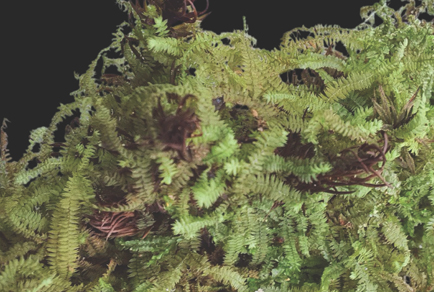
Bazzania bhutanica, a critically endangered species previously known from only two localities in Bhutan and one locality in India, has now been discovered in another two localities west to Samtse, Bhutan.
Downloads
Download data is not yet available.
References
- Baillie, J.E.M. & Butcher, E.R. (2012) Priceless or Worthless? The world’s most threatened species. Zoological Society of London, United Kingdom.
- Bryophyte Specialist Group (2000) Bazzania bhutanica. The IUCN Red List of Threatened Species 2000: e.T39203A10173489. https://doi.org/10.2305/IUCN.UK.2000.RLTS.T39203A10173489.en
- Deo, S.S. & Singh, D.K. (2014) Bazzania bhutanica (Lepidoziaceae, Marchantiophyta) - a critically endangered liverwort recorded in Indian bryoflora. Lindbergia, 37 (2), 42–46. https://doi.org/10.25227/linbg.01049
- Gray, S.F. (1821) A Natural Arrangement of British Plants. London, 1: i–xxviii, 1–824 pp., pls. 1–21.
- Kitagawa, N. & Grolle, R. (1987) A new Acromastigum-like species of Bazzania S. Gray from Bhutan. Journal of the Hattori Botanical Laboratory, 61, 269–272.
- Long, D.G. & Grolle, R. (1990) Hepaticae of Bhutan II. Journal of the Hattori Botanical Laboratory, 68, 381–440.
- Long, D.G., Gurung, B.R. & Pradhan, R. (2010) The rediscovery and conservation of Bazzania bhutanica in Bhutan. Field Bryology, 101, 28–33.
- Mizutani, M. (1967) Studies of the Himalayan species of Bazzania. Journal of the Hattori Botanical Laboratory, 30, 71–90.